


Years ago, a colleague called me the “Content Kween”. Once dubbed, the title stuck. I added “Content Kween” (unironically) to my Slack about-you card.
I kept it there for years. Not because I had terminal delusions of grandeur (maybe a bit). It genuinely gave me joy to have “mastered” something. Eight years in B2B tech, honing a very specific craft: the word choices, the rhythm of a sentence, the opinion buried inside a paragraph that makes someone stop scrolling. I had taste. I had range. I could bust out an SEO article, press release, whitepaper, LinkedIn post — you name it. Anyone navigating to my Slack card would know.
Content was my dominion. I felt at ease.
AI mission creep
Things started to shift. And I’m still not entirely sure when.
It wasn’t one moment. It was more like a fever dream with a very gradual onset. The kind where you think you’re getting sick, but the true full-fledged infection doesn’t arrive until much later.
First it was transactional. “Write me five subject line options.” Fine. Everybody was doing that, it barely counted.
Then it was multi-step — briefing Claude like a freelancer, iterating, actually getting something real back.
Then it was things I had no business doing. A Webflow scroller I custom-coded. Motion graphics built off of 3D renders I made with Gemini. A fully functional online Whack-a-Mole game I built alone on a Tuesday afternoon, “vibe coding” for the first time.

The LinkedIn echo chamber was doing its thing in the background. Fellow content and brand people posting their own dispatches from the same fever dream.
(Insert core content thing here) is dead. The craft is changing. We are all changing. Hopefully.
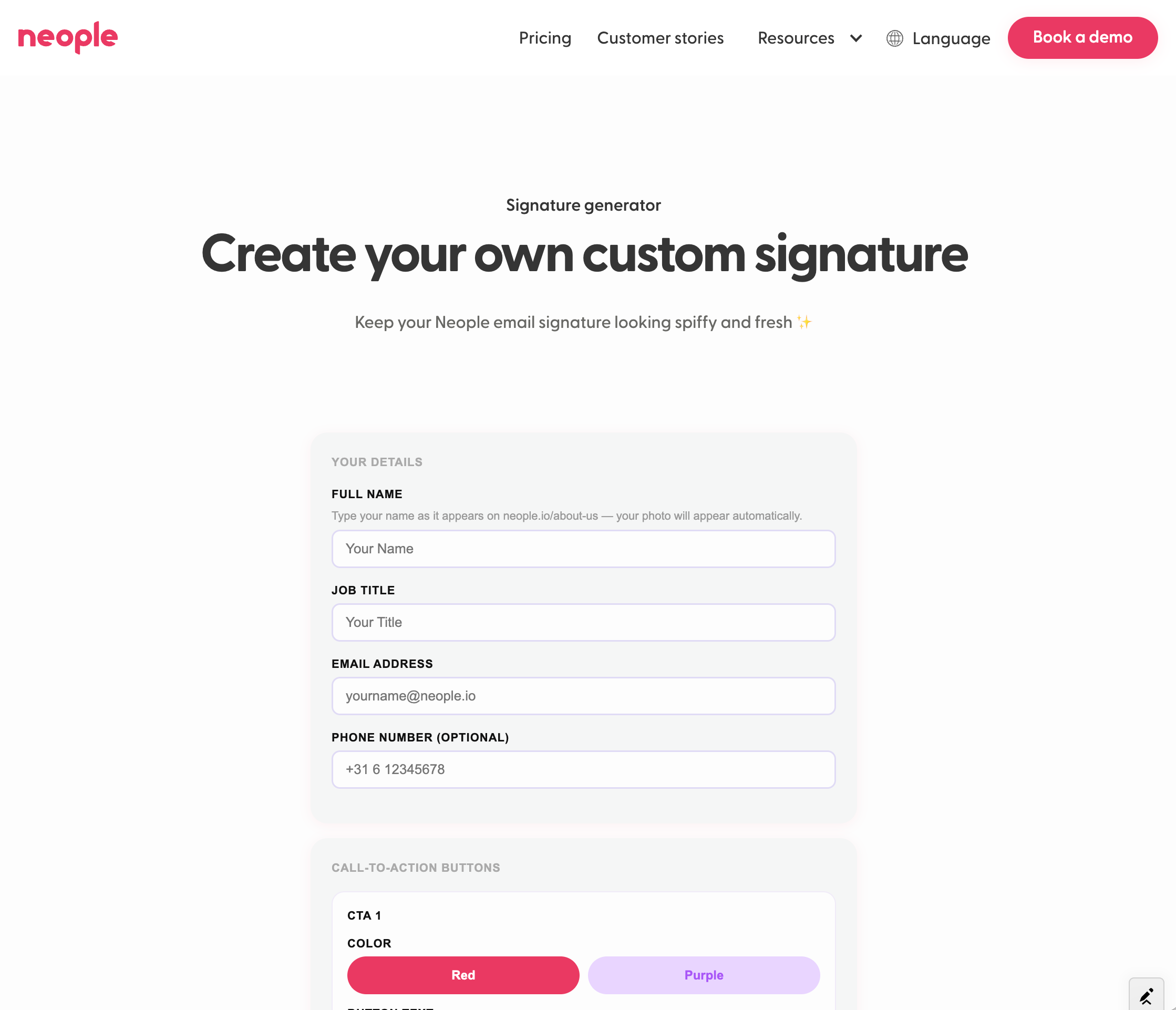
I agreed with all of it… and then kept scrolling and then went back to whatever weird new skill I was teaching myself that week, building a custom email signature generator for the team.
And then one lunch break I found myself watching a YouTube tutorial on how to connect OpenClaw to Telegram to get Claude to do your bidding wherever and whenever (thanks, Louise de Sadeleer).
I paused the video. I looked at myself. The Kween had genuinely left the building castle.
Curse of the generalist
I used to look at generalists with disdain from my ivory content tower. Their knowledge was shallow, inconsequential.
But I never stopped to think about the path towards becoming a generalist. It’s not often chosen. It just happens, incrementally, while you’re saying yes to the next uncomfortable thing because the tools make it possible and nobody else is doing it.
Or in my case, egged on by Job Nijenhuis.
Bas Ploeg, one of our co-founders, put it plainly in a review: “Evolving beyond original content role into generalist.” He meant it as a compliment.
And it was. Broad skill set — content, design, PR, positioning, branding, performance marketing, product messaging, event coordination. A “modern CMO at a Series A company” was the framing. The Elena Verna model. A person who can hold strategy and execution at the same time.
I nodded along, genuinely proud.
But also sad.
Is content dead too?
The barrier to entry for my original job has collapsed. Anyone can open a prompt box and produce something serviceable. And serviceable, now that it’s free and instant, is worthless. The jobs that got redistributed were the ones about volume: first drafts, copy passes, the mechanical parts of content production.
A big part of my professional identity lived there.
The craft I spent eight years building now exists, in approximated form, inside a tool anyone can access.
That’s not doom. It’s just true, and it deserves a moment before we get to the part where everything’s fine.
Resident taste makers
So. What do you actually do with that?
The answer I keep coming back to isn’t a skill to acquire. It’s a capacity to develop taste.
Taste is a word I've been seeing everywhere on LinkedIn lately. Which is either a sign that something real is emerging, or that we've all collectively discovered a new way to sound smart about creative instinct.
Probably both. I'm choosing to believe the former. And more than that, I want to be someone who actually builds it, not just someone who posts about it.
It’s the instinct that something is off before you can explain why. The reference that makes a piece click into place. The decision to cut something that technically works but lands wrong.
You build that by consuming voraciously outside your lane. Learning new things that make you curious.
Not more AI tools. Not more LinkedIn content about AI tools. Art. Restaurants. Bad movies you finish anyway because the way it’s shot is interesting. Sitting at a cafe and just watching people. Looking at the architecture (good or bad) in your neighborhood. Books written by people who have nothing to say about B2B.
Things that don’t optimize for anything.
The people I find most interesting right now aren’t the ones with the best prompting technique. They’re the ones who have been curious about everything for a long time. And it shows in what they reference, what they notice, what they find obvious that everyone else finds new.
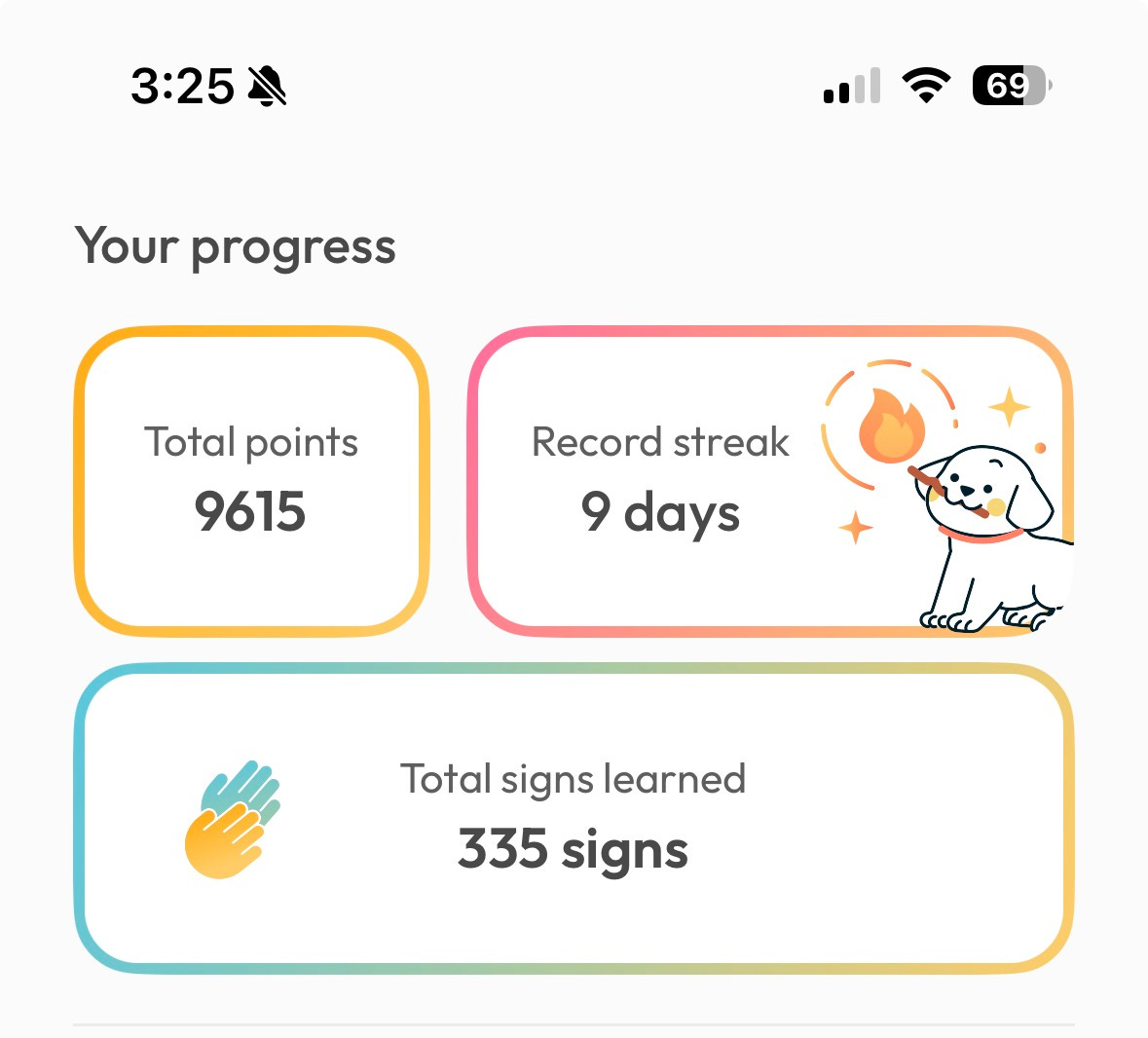
It’s inspired me to learn ASL. And to try french flower beading in my spare time. Put your brain on a different wave length and see what happens. Become a weirder person and you will be the better for it.
That’s a slow build. It doesn’t show up in a Slack about-you card. But it’s the only thing that compounds in a way that actually protects you.
Become bad at something again
Try the uncomfortable thing. And I say this as someone who built a WISMO calculator simply for the hell of it.
Not just the adjacent uncomfortable thing. The actually uncomfortable one. The skill that makes you feel like a beginner, which is awkward, and worth it.
What I’m finding is that the shape of this job is changing into something that doesn’t have a clean title yet.
Part storyteller, part builder, part the person who figures out how to connect the tools and make something real with them — fast, scrappy, without waiting for a job description to authorize it.
The content instinct is still the foundation. But now it has to sit alongside the ability to ship, to prototype, to brief an AI and know when the output is wrong, to build the thing instead of just writing about it.
That combination — knowing what to say and knowing how to make it exist in the world — is the interesting place to be. It’s not comfortable. Some weeks it feels like I’m bad at six things instead of good at one.
The Content Kween is still in there. She’s just picked up a few new hobbies.